2025 Integrated Report
Corporate performance, sustainability progress, and segment context for specialty chemistry stakeholders.
DownloadSustainability claims in specialty chemicals must be traceable enough for sourcing, EHS, and customer compliance teams to use. This report center organizes annual reports, climate disclosures, product-footprint methodology notes, and regional statements by year, topic, language, and file type. The goal is not to replace a full regulatory review, but to give technical stakeholders a consistent document starting point before they request product-specific evidence.
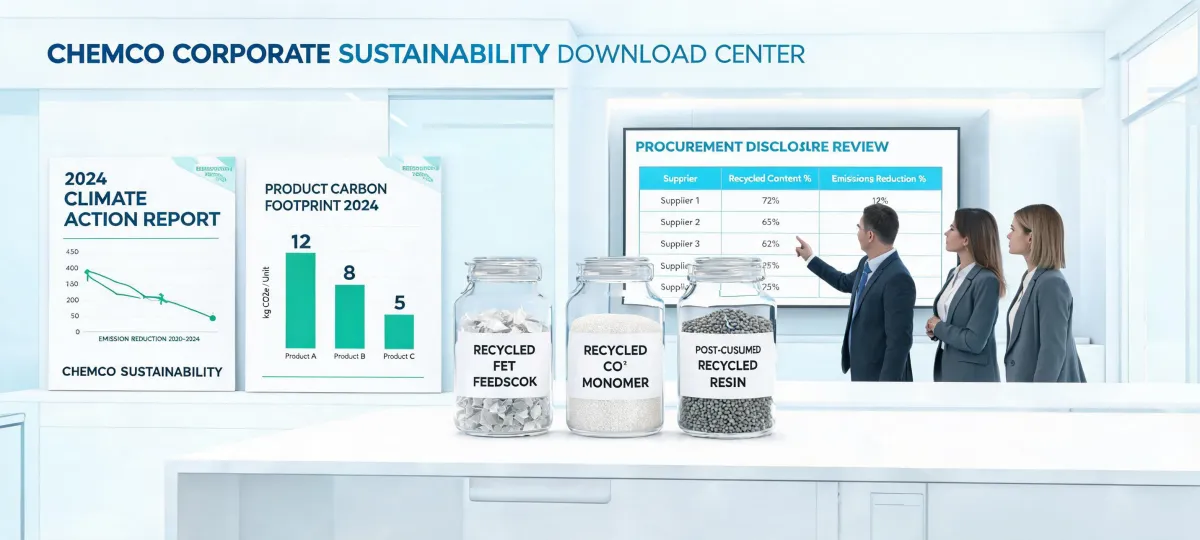
Lanxess presents sustainability documents as part of the same technical ecosystem as SDS and TDS files. Product-related sustainability questions often require several layers of evidence: corporate targets, plant-level energy programs, product-footprint methods, mass-balance claims, third-party assurance, and customer-specific declaration formats. A filterable center helps teams avoid mixing general corporate statements with product-specific data that may need separate verification.
The filters are organized around realistic review behavior. Procurement may search by year and report type, EHS may search climate or water methodology, and R&D may search product-footprint guidance before comparing chemistry options. Each request can then be routed through the contact form when a customer needs a region-specific statement or a document set tied to a particular product family.
Corporate performance, sustainability progress, and segment context for specialty chemistry stakeholders.
DownloadScope definitions, baseline logic, and reporting boundaries for emissions reduction progress.
DownloadHow cradle-to-gate data, allocation logic, and mass-balance references are handled for customer reviews.
DownloadAny sustainability statement becomes more useful when the method is visible. Lanxess structures disclosure notes around recognized frameworks such as GHG Protocol reporting boundaries and materiality-based sustainability reporting. For technical procurement, the important question is often whether the data can be mapped to a product family, production region, or customer reporting need. The report center therefore separates corporate ambition from document types that may support a specific supplier questionnaire, formulation approval, or customer-facing environmental declaration.
Emissions language identifies scope, boundary assumptions, and data maturity so stakeholders know what can be compared.
Requests can be escalated when a buyer needs product-specific data rather than a broad corporate average.
Third-party references and report dates are kept visible to reduce stale or unsupported claim reuse.
Receive a notification when report files, methodology notes, or disclosure packs are updated.